Is Hypnosis Halal? A Coach's Answer, Grounded in Islamic Psychology
M. Sadeed Mirza · 12 November 2026
It is usually the first question. Asked quietly. Sometimes after a long pause.
"Is this allowed."
Good. A Muslim should ask that about anything that touches the mind and the heart.
What hypnosis is not
It is not magic. It is not sihr. It does not call on anything unseen. It does not take away your will.
Stage shows did hypnosis no favours. A man clucks like a chicken, the crowd laughs, and everyone goes home convinced the hypnotist controlled him. He did not. Stage volunteers are picked because they are happy to play along. Which is entertaining for the audience and unhelpful for everyone else.
What it is
Clinical hypnosis is focused attention. You are awake. You hear everything. You can speak, refuse and stop at any time.
You already know this state. The book so absorbing you did not hear your name. The drive home you barely remember. Same mind. Used with intention.
In a session, that focus reaches the patterns sitting below everyday thinking. The fears. The habits. The old stories we keep telling ourselves.
Zehan wahi hai. Bas is dafa niyyat ke saath.
The method is half the question. The practitioner is the other half.
How hypnosis is used matters as much as what it is. In our work, these lines do not move:
- Consent and awareness. The client knows what will happen and stays aware throughout.
- No claims about the unseen. No jinn, no past lives, no predictions.
- Nothing against the deen. No suggestion that conflicts with Islamic belief or practice.
- Not a replacement for medicine or ruqyah. Medical concerns go to doctors. Spiritual concerns go to people of knowledge.
- Purpose. Healing and growth. Never entertainment. Never control.
Who you sit with matters
There is no central body that regulates hypnosis. Not in Pakistan. Not internationally.
The boards that exist are private organisations. Some are serious. Many run as businesses. A certificate shows a minimum was met. It does not show judgement, and judgement is what keeps a session safe.
So look at the person. Their years of real practice. Their own certifications, and whether you can verify them. Whether they know their limits and will refer you on. And if you are learning hypnosis, how many people are in the room. You learn this by practising under someone's eye, not by watching from row twelve.
Where Islamic psychology comes in
Our tradition always cared about the inner life. Tazkiyah, purifying the self. Muraqabah, inner watchfulness. Tafakkur, deep reflection.
Done well, hypnosis serves that same inner work. It helps a person see what sits beneath, so they can change it with clarity and with Allah's help.
Ask a scholar
We are trainers and practitioners. We are not muftis. If you want a ruling for your own situation, ask a qualified scholar you trust. Describe exactly how the practice works, and the safeguards above.
The question is a good one. Keep asking it. Of everything that touches your heart.
Questions people ask
Will I lose control under hypnosis? No. You stay aware throughout and can stop at any point.
Can someone make me do something against my will? No. You remain in charge and can refuse any suggestion.
Is hypnosis regulated in Pakistan? No. There is no central regulator for hypnosis in Pakistan or internationally, so check the practitioner's experience, certifications and limits yourself.
Can I learn hypnosis as a Muslim practitioner? Yes. Our Hypnosis Practitioner Certification, accredited by PBHI, teaches it live, in small batches, with these safeguards built in.
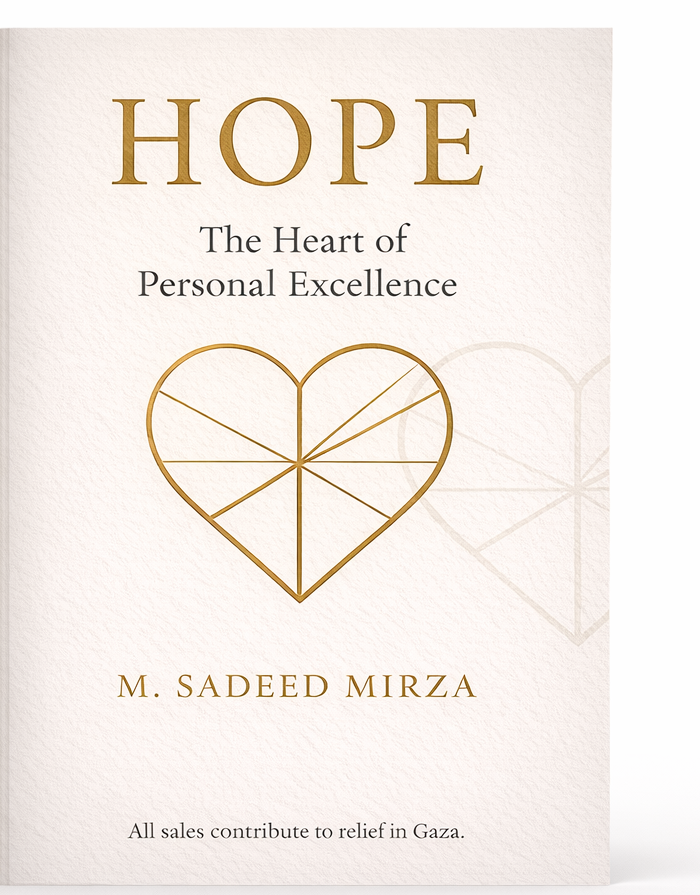
Get HOPE. free book + coaching insights
Subscribe and I'll send you a free PDF of my book HOPE, plus occasional, genuinely useful notes on coaching, counseling and hypnosis, and first word on new CCH+ cohorts across the GCC.